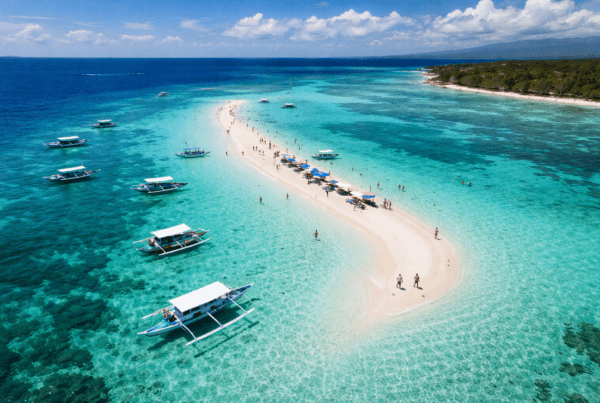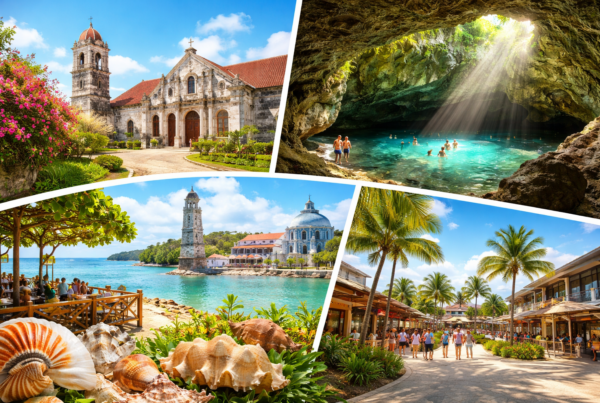
Panglao Island is celebrated for its diverse collection of beaches—each offering a distinct atmosphere, yet all sharing the island’s hallmark white sand, clear waters, and laid-back coastal charm. From lively beachfront hubs to quiet sunset shores, Panglao’s beaches cater to a wide range of travelers, whether you’re seeking adventure, relaxation, or a mix of both.
This guide provides an overview of Panglao’s main beaches, how to reach them, and the activities visitors can enjoy. A detailed table follows to help you compare locations at a glance.
A Beach for Every Travel Style
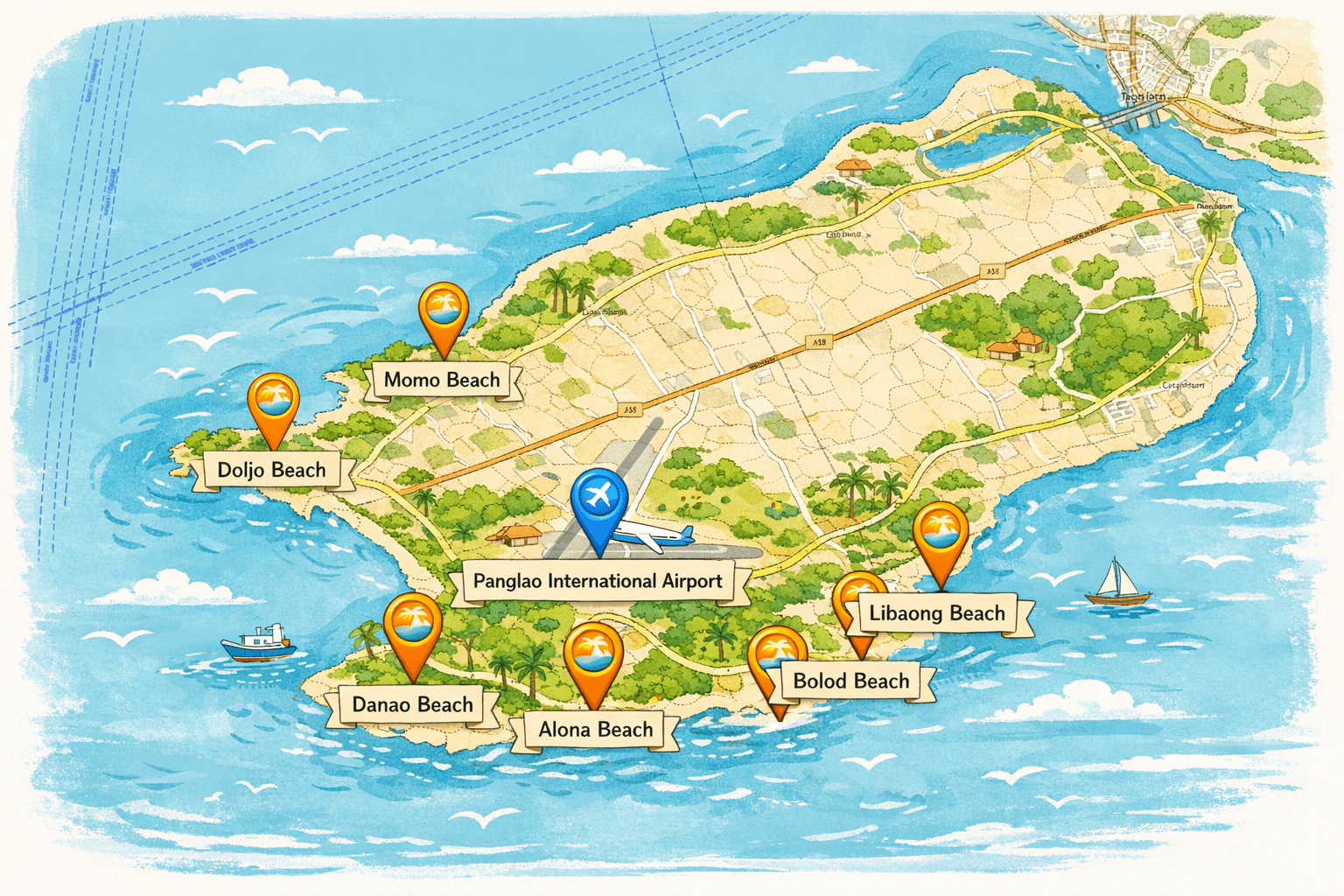
At the heart of Panglao’s tourism scene is Alona Beach, the island’s most well-known and developed beachfront. It serves as a central hub for swimming, dining, island-hopping tours, and sunset watching. With calm waters and easy access to tour operators, Alona Beach is often the starting point for first-time visitors exploring Panglao.
For those looking for quieter coastal escapes, the beaches of Libaong Beach and Bolod Beach offer long stretches of wide, open shoreline. These areas are known for their peaceful atmosphere, scenic views, and proximity to upscale resorts, making them ideal for beach walks, relaxation, and sunrise or sunset photography.
Adventure seekers and ocean lovers often gravitate toward Danao Beach, a more serene alternative to Alona. With powdery white sand, coconut palms, and clear waters, Danao Beach also serves as a common jump-off point for boat tours and marine activities, appealing to travelers who enjoy a balance of tranquility and action.
On the western side of the island, Doljo Beach stands out for its wide shoreline and spectacular sunset views. This beach is well-suited for peaceful swimming, long walks along the sand, and quiet moments by the sea—perfect for visitors who prefer a slower pace.
Meanwhile, Momo Beach offers a relaxed, less crowded beach experience. With local resorts and a calm coastal setting, it’s an excellent choice for travelers who want to enjoy Panglao’s natural beauty away from busy tourist centers.
Easy Access Across the Island
One of Panglao’s advantages is accessibility. Most major beaches are located just 10 to 20 minutes from Panglao International Airport by car or tricycle. This makes it easy for visitors to explore multiple beaches in a single trip, whether staying near Alona or in quieter resort areas.
Which Panglao Beach Is Right For You?
I want the most lively beach with restaurants and lots to do.
Go to: Alona Beach
Best for swimming, beach dining, sunset viewing, and easy access to island tours and activities.
I want a quiet, wide shoreline with a peaceful, upscale feel.
Go to: Bolod Beach (and nearby Libaong Beach)
Best for long beach walks, relaxation, scenic views, and a calmer resort atmosphere.
I want a serene beach, but still want boat tours and marine adventures nearby.
Go to: Danao Beach
A quieter alternative with clear waters and a popular jump-off point for boat tours and marine activities.
I’m here for sunsets and slow, quiet beach time.
Go to: Doljo Beach
Wide shore, peaceful swimming, coastal walks, and some of Panglao’s best sunset scenery.
I want a calm, less crowded beach with a relaxed local vibe.
Go to: Momo Beach
Great for a peaceful beach experience, light sightseeing, and sunset watching away from busy areas.
I want something spacious and simple—minimal crowds, just sea and sand.
Go to: Libaong Beach
Best for quiet coastal time, beach walking, relaxation, and enjoying an open shoreline.
Activities by the Sea
Across Panglao’s beaches, visitors can enjoy a variety of coastal activities, including swimming, snorkeling in designated areas, beach walking, sightseeing, photography, and sunset watching. Some beaches also serve as staging points for island-hopping tours, diving excursions with accredited operators, and other marine adventures. Whether you prefer active exploration or simple relaxation, Panglao’s shoreline offers plenty of options.
Beach Rules and Responsible Enjoyment
To preserve Panglao’s natural beauty, visitors are encouraged to follow basic beach rules: take trash with you, avoid collecting shells or disturbing marine life, respect coastal plants and corals, swim only in designated areas, and follow local safety advisories. Responsible tourism ensures that Panglao’s beaches remain pristine and enjoyable for future generations.